45 are labels required for non gmo products
Labeling of Genetically Modified Foods - 9.371 - Extension Therefore, there is no federal requirement for labeling food that contains GM ingredients. Bills and ballot initiatives requiring mandatory labeling have been introduced and voted on in several states. The first states to have approved some form of mandatory labeling are Connecticut, Maine, and Vermont. Verification FAQs - The Non-GMO Project Non-GMO Project Verified is the fastest growing label in the natural products industry, representing over $26 billion in annual sales and more than 50,000 Verified products for over 3,000 brands. Non-GMO products are in demand and the Non-GMO Project Verified seal is the most trusted non-GMO label among consumers.
BE Disclosure vs. Non-GMO Labeling | ESHA Research Non-GMO labeling, on the other hand, is neither required by law nor regulated by the FDA, except that the claim must not be deceptive. It is a voluntary declaration adopted by some companies for marketing and education purposes only. What does this have to do with the USDA Organic Standards?
Are labels required for non gmo products
Some Brands Are Labeling Products "GMO-free" Even if They Don't Have ... More companies are paying to label their food as non-GMO, whether they need it or not. ... Sales of products labeled as non-GMO have grown 30 percent to $1.1 billion in the last year alone, Brat ... Labeling of genetically modified products - United States Mission to ... Labeling regulations for genetically modified (GM) food products are established by Regulation 1829/2003 (articles 12-13). These rules apply to products that have undergone varying degrees of processing. The regulation does not require labeling of food products that are not food ingredients, such as processing aids. Everything you need to know about GMO labeling in 2020 The law requires labeling only on bioengineered foods intended for human consumption that contain more than five percent GMO ingredients. Instances where GMOs do not have to be labeled include: Foods derived from animals, such as eggs, meat and milk Refined ingredients like oils and sugars Food served in a restaurant
Are labels required for non gmo products. What Does the Non-GMO Label Mean? - Safer® Brand There is no federal agency to enforce Non-GMO labels. There is the Non-GMO Project, which is an independent organization that awards its labels to those that meet its standards. BANS GMOs? - Both the USDA's organic-certified products and those carrying the Non-GMO Project label do not permit GMOs to be in any part of the product. Non-GMO Project Verified - Consumer Reports Non-GMO Excellent Verification Behind Our Ratings: Food-Label Seals & Claims Consumer Reports takes a detailed look at the requirements, definitions, standards, and verification procedures behind... The Truth Behind GMO Labeling | GMO Answers The non-GMO label means a food product contains fewer than 1% of genetically modified ingredients. Because of this, food labeled non-GMO is not legally considered GMO-free. GMOs (genetically modified organisms) are crops that have been created to produce more desirable traits. Non-GMO labels can differ in other countries. Study suggests new US GMO labeling law likely to have little effect on ... The Non-GMO Project charges food companies a fee to place a non-GMO verified label on their product — even if no GM version of the food exists. However, they do not expect the new US bioengineering labeling to have much of an international effect.
GMO Labeling Laws per Country - Global Food Safety Resource There is no mandated GMO labeling law in the US because the government believes that the nature of the product is more important than the production process. GM foods are seen to help eliminate food deserts, which are quickly becoming a problem in some US states. US is the leading producer of GM foods. Non-GMO Project Verified FAQs The Non-GMO Project Verified mark assures consumers that the product bearing the label has been evaluated for compliance with the Non-GMO Standard, which can be found here . The URL is also included as part of the verification mark so consumers can easily access more information about what the Non-GMO Project Standard encompasses. PDF Non-GMO Requirements under the National Organic Program Organic Trade ... organic food is non-GMO and/or was not produced using excluded methods. However, many operators choose to make additional non-GMO claims. • The phrase "non-GMO," when used on NOP-certified product labels, is understood to mean that the product was produced without the use of genetic engineering. This is consistent with the organic ... Preparing for GMO labeling in 2022 - Food Business News "To be clear, all non-organic ingredients allowed in the 5% or 30% non-organic portion of organic-certified products must be non-GMO," Ms. Kuler said. The NBFDS states organic certification...
Final GMO labeling rule does not require labeling of highly refined ... Some Non-GMO Project Verified labels are extremely deceptive (although they are accurate about GMO-free status). For example, a supermarket shelf with various brands of olive oil will have a few ... Non-GMO - Consumer Reports A generic non-GMO claim isn't reliable because there are no consistent, clear, enforceable rules for using it, and there is no consistency in how the claim is verified. Learn How We Rate Food-Label... GMO Labeling | Science of GMOs Non-GMO Project Verified products must meet a threshold of no more than about 0.9 percent GE content, by weight, which is similar to the EU's threshold for mandatory labeling of processed foods made with GE ingredients. To verify that non-GE ingredients are used, traceability and segregation of inputs are also required. 5 Reasons We Don't Need Federally Mandated GMO Labeling 3. Undermines a critical technology. Mandatory labeling would likely have a negative effect on genetic engineering and perpetuate myths surrounding genetically engineered food that could harm its ...
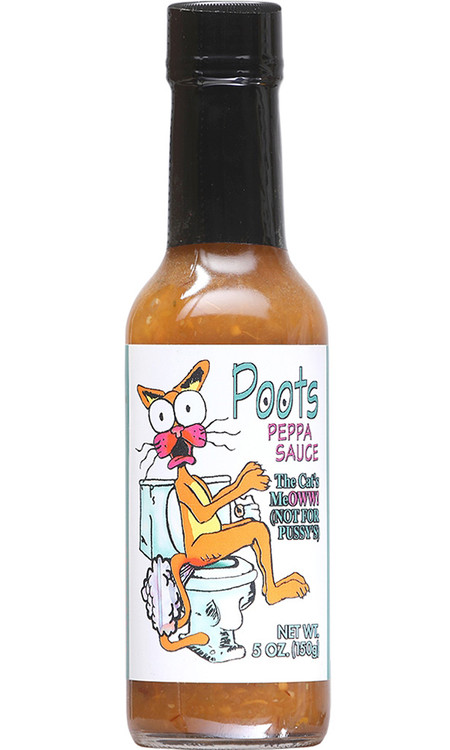
Poots Peppa Sauce, The Cats Meow
Clear the Confusion About Organic and Non-GMO Food | NSF Non-GMO certified products have been verified to have been grown and processed without genetic modification. What's the Organic Mark? There are three different levels of organic - "100% organic," "organic" and "made with organic." "100% organic" means that all ingredients are organic, and no non-organic ingredients or processing aids are used.

TABASCO® brand Red Pepper Sauce
New USDA guidance requires foods with GMO ingredients be labeled ... Foods that had been labeled as containing "genetically modified organisms (GMOs)" will now be known as "bioengineered," or having been "derived from bioengineering," under standards set by the...
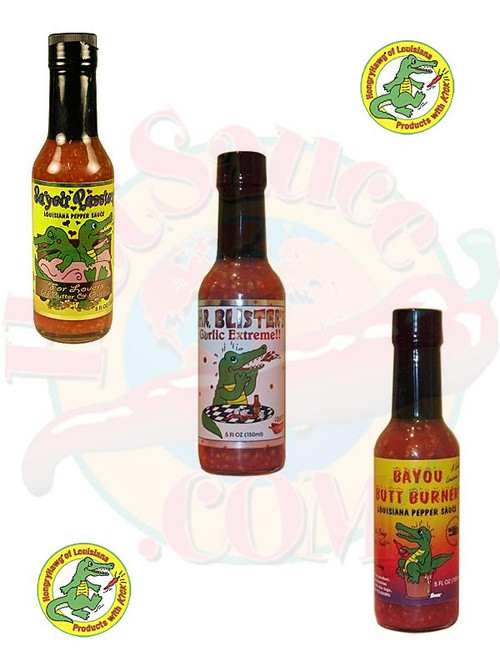
Bayou Hot Sauces Milder Gift Set
Non-GMO labels are on the rise in Europe - but why? Non-GMO labels are on the rise in European countries - but unlike the US, EU legislation requires all food containing above trace levels of GM to be labelled. ... In Germany, consumer concern over genetically modified foods [is] forcing the meat, dairy and egg industries to offer products derived from non-GMO feed," she said.
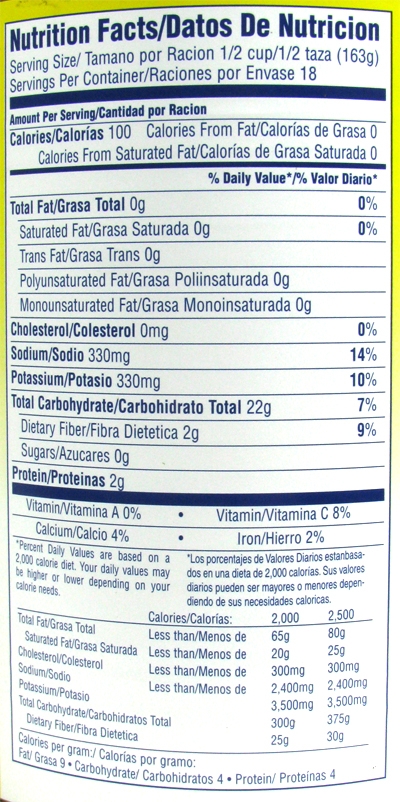
Canned Sliced White Potatoes - 6/Case (Bulk #10 Cans)
Why we need mandatory labeling of GMO products - STAT You might expect a company that creates GMO-based products would want the issue of labeling to disappear. We don't. In fact, we support mandatory labeling of all GMO products. Mandatory labeling is...
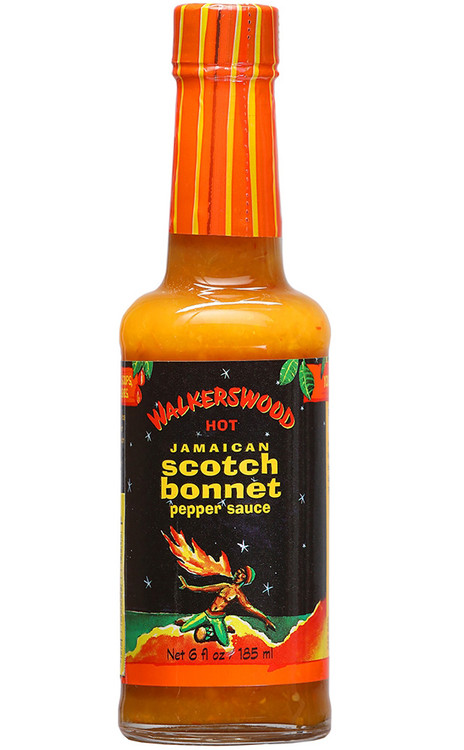
WalkersWood Hot Jamaican Scotch Bonnet
USDA releases final GMO labeling rules - Alliance for Science The US Department of Agriculture has announced its final rule for labeling products made with genetically engineered (GMO) ingredients, which will now be called "bioengineered." In a win for farmers, the new rule states that no disclosure is required on refined foods such as vegetable oils and sugar if the modified genetic material is undetectable.
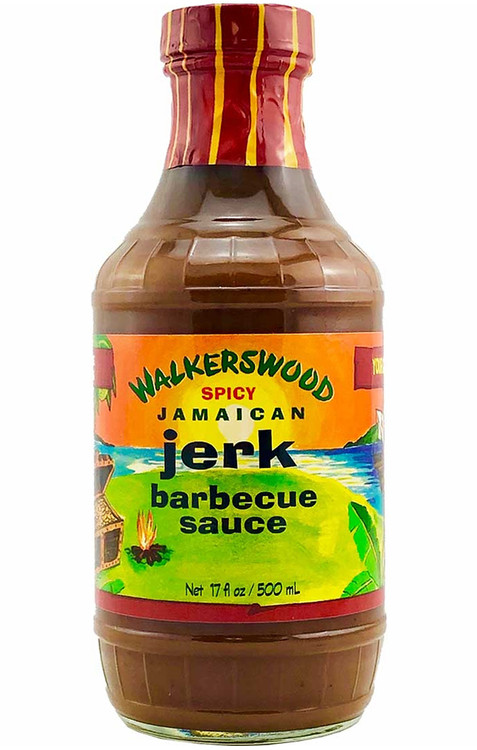
Walkerswood Spicy Jamaican Jerk Barbecue Sauce
Mandatory GMO labels are coming to your food - Washington Post Mandatory GMO labels are coming to your food. Products marked with the voluntary Non-GMO Project label. (Gordon Chibroski/Portland Press Herald/Getty Images) Foodmakers will soon be required to ...
Farm fresh and organic icon - Download Free Vectors, Clipart Graphics & Vector Art
12 Far-Reaching GMO Labeling Pros and Cons - Vittana.org GMO labeling would likely increase consumer costs at the supermarket for virtually all products. 3. Labeling requirements would be placed on non-GMO products as well. It wouldn't be just the GMO foods that would require a label. Food manufacturers would also need to label their non-GMO foods to be appropriately identified as well.

USDA releases final GMO labeling standards - NationofChange
GMO Foods Should be Labeled, But Not for Safety: Bioethicist The fight over labeling is not confined to those who are selling GMO or non-GMO products. Vermont passed a law last year requiring labeling of genetically modified food. Maine and Connecticut have ...
Post a Comment for "45 are labels required for non gmo products"